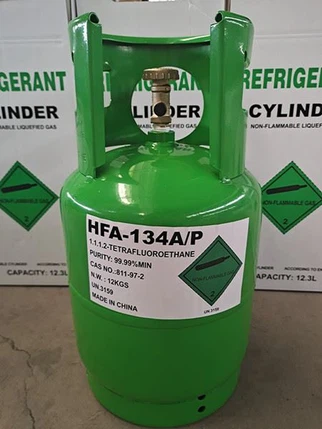

As data centers and high-performance computing (HPC) facilities grapple with soaring power densities-driven by AI, machine learning, and cloud computing-cooling technologies have become a critical bottleneck. Among the most widely used solutions, fluorinated fluids, particularly perfluoropolyethers (PFPE), have long dominated due to their exceptional thermal stability and dielectric properties. However, evolving environmental regulations and the demand for higher efficiency are spurring innovations in PFPE formulations and the development of viable alternatives. This article explores the latest advancements in PFPE technology and the emerging alternatives reshaping the cooling landscape.

PFPE: The Gold Standard and Its Recent Innovations
PFPE (perfluoropolyether) oils have earned their reputation as a premium coolant in immersion cooling systems, thanks to a unique set of properties: high thermal conductivity, chemical inertness, non-flammability, and electrical non-conductivity. These traits make them ideal for submerging sensitive electronics, such as GPUs and server motherboards, without risk of corrosion or short circuits. Traditional PFPE formulations, however, faced criticism for their high global warming potential (GWP) and persistence in the environment, prompting manufacturers to rethink their chemistry.

Recent innovations in PFPE technology focus on reducing environmental impact while preserving performance. Leading manufacturers like 3M and Solvay have introduced low-GWP PFPE variants, such as 3M's Novec 7100GL, which cuts GWP by over 99% compared to older fluorinated fluids. These next-gen PFPEs achieve this by shortening molecular chains and reducing fluorine content, minimizing their atmospheric lifetime without sacrificing thermal efficiency. Another breakthrough is the integration of additives that enhance heat transfer-nanoparticles of graphene or boron nitride, for example-boosting thermal conductivity by up to 20% while maintaining dielectric safety.
Additionally, recyclable PFPE formulations are emerging. These fluids can be filtered and reprocessed after use, reducing waste and lowering long-term operational costs. For data centers aiming to achieve net-zero goals, these innovations make PFPE a more sustainable choice than ever before.
Alternatives to PFPE: Diverse Solutions for Specific Needs
While advanced PFPEs remain dominant, several alternatives are gaining traction, each addressing specific pain points like cost, biodegradability, or compatibility with legacy systems.
Synthetic Hydrocarbons
Synthetic hydrocarbons (SHCs) are emerging as a cost-effective alternative to PFPE. Derived from petroleum or natural gas, these fluids offer good thermal stability and dielectric properties at a fraction of PFPE's price-typically 30-50% cheaper. SHCs like those from ExxonMobil and Chevron Phillips are non-toxic and compatible with most metals and plastics, making them easy to integrate into existing immersion systems. Their main drawback is lower thermal conductivity than PFPE, which limits their use in ultra-high-density setups (above 50 kW/rack). However, for mid-range data centers (10-30 kW/rack), SHCs provide a balance of performance and affordability.
Water-Based Nanofluids
Water-based coolants, long dismissed for their conductivity, are making a comeback with nanotechnology. By suspending nanoparticles (e.g., aluminum oxide, copper) in deionized water, researchers have created dielectric nanofluids that conduct heat 40-60% better than pure water while remaining electrically safe. Companies like Engineered Fluids offer such formulations, which are biodegradable and have near-zero GWP. These fluids excel in direct-to-chip cooling systems, where targeted heat removal is critical. Their low cost and environmental benefits make them popular for edge data centers and greenfield projects, though they require stricter sealing to prevent leaks.
Plant-Based Dielectrics
Biodegradable, plant-derived coolants are gaining attention for eco-conscious facilities. Made from vegetable oils (e.g., canola, sunflower) with added stabilizers, these fluids are non-toxic, fully biodegradable, and have low GWP. Brands like Midel's eN-fluid line offer thermal stability up to 120°C, suitable for moderate-density applications. While their thermal conductivity lags behind PFPE, plant-based dielectrics are ideal for data centers in regions with strict environmental regulations, such as the EU's REACH or California's SB 343. Their main challenge is oxidation over time, which requires periodic replacement, but advances in antioxidant additives are extending their lifespan to 5+ years.
Hydrofluoroethers (HFEs)
HFEs are fluorinated fluids designed to bridge the gap between PFPE performance and environmental safety. With GWP values as low as 1 (compared to thousands for legacy PFPEs), HFEs like 3M's Novec 649 are non-flammable and chemically stable. They perform well in single-phase immersion cooling, offering thermal conductivity close to PFPE but at a lower cost. HFEs are particularly popular in Europe and Asia, where regulatory pressures on fluorinated substances are strongest. Their main limitation is a lower boiling point (around 49°C for Novec 649), which restricts their use in high-temperature environments.
Ionic Liquids
Ionic liquids (ILs) are a cutting-edge alternative, composed of salts with melting points below 100°C. Their unique structure gives them exceptional thermal stability (up to 300°C) and non-flammability, making them suitable for extreme high-density setups, such as AI server farms with 100+ kW/rack. ILs like those developed by BASF have negligible vapor pressure, eliminating evaporation loss, and are non-toxic. However, their high viscosity and cost-up to 10x that of PFPE-currently limit large-scale adoption. Research into low-viscosity IL formulations is ongoing, with prototypes showing promise for commercial use by 2026.
The Road Ahead: Hybrid Systems and Custom Formulations
The future of coolant technology lies in hybridization. Many data centers are combining PFPEs with alternatives to optimize performance and cost. For example, a facility might use low-GWP PFPE in high-density GPU racks and synthetic hydrocarbons in lower-power storage areas. Custom blends, tailored to specific hardware (e.g., Intel vs. AMD chips), are also emerging, with manufacturers offering fluids optimized for a server's thermal footprint.
Regulatory pressures will continue to drive innovation. The EU's upcoming F-Gas Regulation revisions, set to tighten restrictions on high-GWP fluorinated fluids, are pushing developers to prioritize biodegradability and low persistence. Meanwhile, the growing focus on circular economies is spurring investment in coolant recycling and reclamation technologies, further reducing environmental impact.
Conclusion
PFPE remains a cornerstone of high-performance cooling, but its evolution into low-GWP, recyclable formulations reflects the industry's shift toward sustainability. Meanwhile, alternatives like synthetic hydrocarbons, water-based nanofluids, and HFEs are carving out niches, offering flexibility for diverse use cases. As data centers' cooling needs grow more complex, the key will be selecting the right fluid-or combination of fluids-based on power density, environmental goals, and budget. With ongoing innovations, the next decade promises a more efficient, eco-friendly, and tailored approach to thermal management in the digital age.
For businesses seeking PFPE coolants , our company provides competitive pricing, reliable supply, and technical support. Contact us today for more details!