
Inhalation and aerosol are two different methods of ducting drugs into the respiratory system. The main difference between the two is used in the piping system of the suction pipe. Inhalation involves the use of a device that delivers the drug directly to the lungs in a fine mist or powder form, while aerosolization involves the use of a canister that releases the drug as a pressurized gas or liquid.
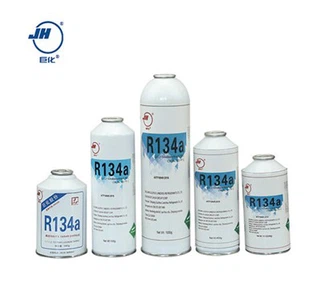
A key component of an aerosol delivery system is the aerosol propellant. This propellant is a compressed gas or liquid that is responsible for squeezing the medication out of the can and into the lungs. The most commonly used aerosol propellants are compressed gases such as liquefied petroleum gas (LPG), hydrofluorocarbons (HFCs), and chlorofluorocarbons (CFCs). It must be noted that some propellants, such as CFCs, are harmful to the environment and have been phased out in many countries. HFA 134a accounts for the vast majority of inhaler propellants, roughly 95% of the HFA MDIs manufactured.
Inhalation, on the other hand, involves using an inhaler to deliver medication in the form of a fine mist or dry powder directly through the mouth and into the lungs. There are two types of inhalers - metered dose inhalers (MDI) and dry powder inhalers (DPI). MDI uses a propellant to deliver the drug, while DPI does not require a propellant and instead relies on the patient's inhalation to disperse the drug into the lungs.
While both inhaled and aerosol delivery systems are effective in treating respiratory conditions such as asthma and chronic obstructive pulmonary disease (COPD), each system has advantages and disadvantages. The inhalation device is small, portable and discreet, making it easy for patients to carry it with them. In contrast, aerosol cans can be bulky and cumbersome, and patients may feel uncomfortable using them in public.
Additionally, inhalation devices deliver medication in a well-controlled manner, ensuring that patients receive the prescribed dose. In contrast, aerosol cans can be difficult to use correctly, and patients may not receive the correct dose of medication, resulting in reduced effectiveness.
In conclusion, both inhalation and aerosol are effective delivery systems for respiratory medications. However, it is critical to select the appropriate drug delivery system based on individual needs, preferences, and medical conditions. Aerosol propellants play a vital role in aerosol delivery systems and environmental issues and safety must be taken into consideration and care must be taken when selecting.
For more details about aerosol propellant HFA 134A, pls. feel free to contact us!