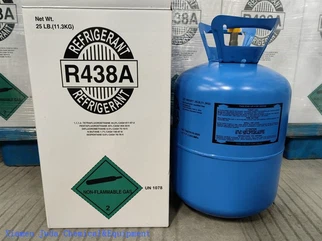

As lithium battery storage, electric vehicles, chemical processing plants, logistics warehouses, and data centers continue to expand worldwide, traditional firefighting foams are facing new challenges. Many industrial buyers are now comparing F500 Encapsulator Agent with conventional AFFF firefighting foam to determine which solution provides better fire suppression performance, environmental compliance, and long-term operational value.
If you are sourcing fire suppression agents for industrial facilities, emergency response teams, energy storage systems, or high-risk manufacturing environments, understanding the differences between F500 and AFFF is critical before procurement.
This article explains the core differences between these two firefighting technologies and helps B2B buyers select the right solution for modern fire hazards.
What Is AFFF Firefighting Foam?
AFFF Firefighting Foam (Aqueous Film Forming Foam) is a traditional firefighting foam widely used for Class B flammable liquid fires, including:
Fuel storage fires
Oil & gas facilities
Airport fire rescue
Petrochemical plants
Marine fuel fires
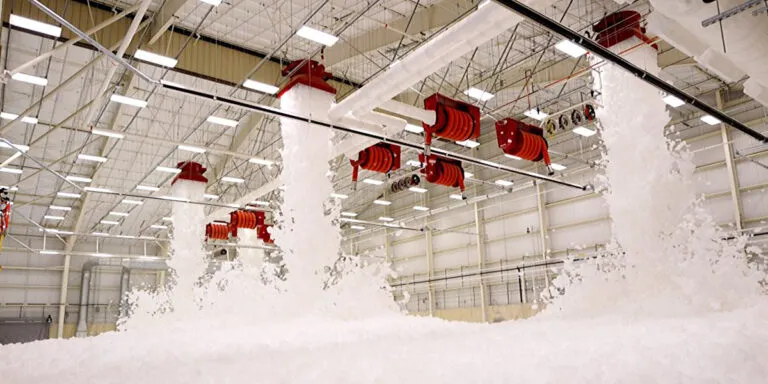
AFFF works by creating a thin aqueous film over hydrocarbon fuels, suppressing oxygen and reducing reignition risk.
For decades, AFFF has been considered a standard foam solution for fuel-based fire suppression.
However, environmental regulations and emerging lithium battery fire risks have exposed significant limitations in conventional AFFF technology.
What Is F500 Firefighting Agent?

F500 Encapsulator Agent is an advanced water-based firefighting agent designed for rapid cooling, fuel encapsulation, and toxic vapor suppression.
Unlike traditional foams, F500 does not simply blanket the fuel surface. Instead, it works through multiple mechanisms:
Rapid heat reduction
Molecular encapsulation of fuel molecules
Vapor suppression
Surface tension reduction
Prevention of thermal runaway propagation
F500 has become increasingly popular in industries handling:Lithium-ion batteries;Electric vehicle fires;Energy storage systems (ESS);Waste recycling facilities;Tire storage;Industrial manufacturing;Mining equipment;Military applications
F500 vs AFFF: Key Differences
| Feature | F500 Encapsulator Agent | Traditional AFFF Foam |
|---|---|---|
| Fire Suppression Mechanism | Cooling + Encapsulation | Foam Blanket |
| Lithium Battery Fire Capability | Excellent | Limited |
| Thermal Runaway Control | Strong | Weak |
| Reignition Prevention | High | Moderate |
| Vapor Suppression | Excellent | Good |
| Environmental Concerns | PFAS-Free options available | PFAS concerns common |
| Toxic Smoke Reduction | Yes | Limited |
| Cooling Efficiency | Extremely High | Moderate |
| Hydrocarbon Fuel Fires | Effective | Excellent |
| Class A Fire Performance | Excellent | Moderate |
| Water Consumption | Lower | Higher |
| Industrial Hazmat Fires | Strong performance | Limited |
Why Many Buyers Are Replacing AFFF with F500
1. Lithium Battery Fires Require More Than Surface Foam
Traditional AFFF foam was originally engineered for liquid fuel fires-not modern lithium-ion battery thermal runaway events.
Battery fires generate:
- Extremely high temperatures
- Reignition risks
- Toxic gases
- Internal cell reactions
AFFF may temporarily suppress visible flames, but it often cannot stop internal thermal runaway propagation.
F500 provides:
- Deep cooling penetration
- Heat absorption
- Encapsulation technology
- Reignition resistance
This makes F500 one of the most searched solutions for:
- Best firefighting agent for lithium battery fires
- EV battery fire suppression
- Thermal runaway extinguishing agent
- Battery energy storage fire protection
2. PFAS Regulations Are Changing the Firefighting Industry
One major challenge facing AFFF manufacturers is increasing global regulation of PFAS-containing firefighting foams.
Many countries and industries are transitioning away from legacy fluorinated foams due to:
Environmental persistence
Water contamination concerns
Regulatory compliance risks
Disposal costs
Industrial procurement teams are now actively searching for:
PFAS-free firefighting foam
environmentally friendly fire suppression agent
fluorine-free fire extinguishing solution
F500 technology aligns well with these market trends.
3. Faster Cooling Means Better Fire Control
A major advantage of F500 is its rapid cooling capability.
By reducing water surface tension, F500 allows water to penetrate deeper into burning materials, significantly improving heat absorption.
This is particularly important for:


In many industrial scenarios, cooling is more important than simply covering the fire surface.
Industrial Applications Where F500 Outperforms AFFF
Lithium Battery Storage Facilities
Large-scale battery storage systems create high thermal runaway risks.
F500 is widely considered more suitable for:
Battery racks
EV battery storage
UPS systems
Data center battery rooms
Electric Vehicle Fire Suppression
Electric vehicle fires are significantly different from gasoline fires.
F500 helps:
Reduce battery temperatures faster
Prevent reignition
Suppress toxic vapors
Improve firefighter safety
Waste & Recycling Facilities
Recycling plants often contain:
Mixed combustible materials
Hidden ignition sources
Chemical residues
Deep-seated fires
F500's penetrating cooling performance provides advantages over traditional AFFF foam blankets.
Mining & Heavy Equipment
Mining vehicles and industrial machinery contain:
Hydraulic fluids
Diesel fuel
Electrical systems
High-temperature equipment
F500 offers multi-risk fire suppression capability across mixed fire classes.
Is AFFF Still Useful?
Yes. AFFF remains highly effective for certain applications, especially:
Aviation fuel fires
Large hydrocarbon spill fires
Petrochemical facilities
Marine fuel protection systems
For pure flammable liquid fire scenarios, AFFF still performs well.
However, modern industrial environments increasingly involve:
Electrical systems
Lithium batteries
Composite materials
Mixed fire loads
This is where F500 provides broader protection capability.
Procurement Considerations for Industrial Buyers
When sourcing firefighting agents, procurement managers should evaluate:
Fire Risk Type
Hydrocarbon fuel only?
Lithium battery risk?
Mixed industrial hazards?
01
Environmental Compliance
PFAS regulations
Disposal requirements
Local environmental standards
02
System Compatibility
Existing foam systems
Portable extinguishers
Fixed suppression systems
03
Total Operating Cost
Agent consumption
Cleanup requirements
Environmental liability
Long-term compliance
04
Looking for an F500 Firefighting Foam Supplier?

As a professional manufacturer and supplier of F500 fire suppression agents, we provide:
Industrial-grade F500 firefighting solutions
OEM & bulk supply support
Global export capability
Technical documentation & MSDS
Customized packaging
Fast delivery for B2B buyers
Whether you are sourcing fire suppression agents for lithium battery facilities, EV infrastructure, industrial plants, or emergency response systems, our team can help you select the right solution for your application.