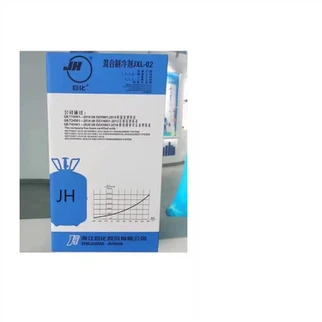

In the face of growing environmental concerns and strict regulatory requirements, the HVAC (Heating, Ventilation, and Air - Conditioning) industry is undergoing a significant transformation. One of the key changes is the transition from high - Global Warming Potential (GWP) refrigerants like R410A to low - GWP alternatives. R410A, which has a GWP of 2088, has been a popular refrigerant in HVAC systems for years. However, its high GWP contributes significantly to climate change, prompting the search for more environmentally friendly options. This article explores the reasons for this transition, the available low - GWP alternatives, and the steps involved in retrofitting HVAC systems.

Reasons for Transitioning from R410A refrigerant gas
Environmental Impact
The most pressing reason for moving away from R410A gas is its substantial contribution to global warming. As countries around the world strive to meet their climate change targets under agreements like the Paris Agreement, reducing the use of high - GWP refrigerants is crucial. Low - GWP refrigerants can help in significantly cutting down the carbon footprint of HVAC systems, making them more sustainable.
Regulatory Pressures
Regulatory bodies worldwide are implementing strict regulations to phase down the use of high - GWP refrigerants. For example, the Kigali Amendment to the Montreal Protocol aims to reduce the production and consumption of hydrofluorocarbons (HFCs), including R410A. In the United States, the Environmental Protection Agency (EPA) has been tightening regulations through its Significant New Alternatives Policy (SNAP) program. These regulations not only encourage the adoption of low - GWP refrigerants but also set deadlines for compliance, forcing HVAC system owners and operators to consider retrofitting.
Low - GWP Refrigerant Alternatives to R410A
R32
R32 has gained significant traction as a low - GWP alternative to R410A. With a GWP of 675, it is much more environmentally friendly. It is a single - component refrigerant, which means it has consistent properties throughout the system. R32 also offers higher energy efficiency, with a slightly higher capacity than R410A. This can lead to reduced energy consumption and lower operating costs. However, it is important to note that R32 is classified as an A2L refrigerant, which means it is mildly flammable. Special safety precautions need to be taken during installation and maintenance, such as using proper ventilation and leak - detection equipment.
R454B
R454B is a zeotropic blend consisting of R32 (68.9%) and R1234yf (31.1%). It has a GWP of 466, which is significantly lower than that of R410A. One of the advantages of R454B is that its operating pressures closely mirror those of R410A. This makes it easier to retrofit existing HVAC systems as it requires fewer changes to the equipment design and service techniques. However, as a zeotropic blend, it exhibits a slight temperature glide between bubble and dew points, and fractionation can occur during leaks. Technicians need to be aware of these characteristics when working with R454B.
R466A
Honeywell's R466A is another alternative. It has an A1 (non - flammable) safety classification, which is a significant advantage over some other low - GWP refrigerants. R466A combines R32 (49%), R125 (11.5%), and R1311 (39.5%). Its performance characteristics closely match R410A, making it a more direct replacement in new equipment. For retrofit applications, manufacturers using R466A may need to account for a 10 - 15% increase in refrigerant charge compared to R410A systems to achieve equivalent performance ratings. Its GWP of 733 represents a significant environmental improvement over R410A.
Steps in Retrofitting HVAC Systems from R410A to Low - GWP Alternatives
System Assessment
The first step in the retrofitting process is to conduct a comprehensive assessment of the existing HVAC system. This includes evaluating the condition of the compressor, condenser, evaporator, and other components. The age of the system, its current performance, and any signs of wear and tear need to be considered. If the system is too old or in a poor state of repair, it may be more cost - effective to replace the entire system rather than attempting a retrofit.
Refrigerant Compatibility Check
Once the system assessment is complete, a refrigerant compatibility check is crucial. Different low - GWP refrigerants have different chemical properties, and not all of them may be compatible with the existing system materials. For example, some refrigerants may react with the lubricating oil in the compressor or cause corrosion in the copper tubing. In the case of transitioning to R32, the oil in the system needs to be changed as R410A uses POE (polyol ester) oil, while R32 systems require synthetic ester oils like PVE (polyvinyl ether).
Component Upgrades
In many cases, certain components of the HVAC system may need to be upgraded to accommodate the low - GWP refrigerant. This could include the compressor, which may need to be replaced with one that is specifically designed for the new refrigerant. The condenser and evaporator may also require modifications to optimize heat transfer. Additionally, the refrigerant lines may need to be flushed or replaced to ensure there are no contaminants or residues from the previous refrigerant.
Safety Precautions
When working with low - GWP refrigerants, especially those that are flammable like R32 and R454B, safety should be a top priority. Technicians must be trained in handling these refrigerants and follow all safety guidelines. This includes using proper personal protective equipment, such as gloves and safety glasses, and ensuring adequate ventilation in the work area. Leak - detection equipment should be used regularly to identify any potential refrigerant leaks, and in case of a fire, appropriate fire - extinguishing equipment should be readily available.
Installation and Commissioning
After all the necessary upgrades and checks are completed, the new low - GWP refrigerant can be installed. The charging process needs to be precise, following the manufacturer's recommendations. Overcharging or undercharging can significantly affect the performance of the system. Once the refrigerant is installed, the system should be commissioned to ensure that it is operating correctly. This involves checking the pressures, temperatures, and airflow to verify that the system is functioning efficiently.
Conclusion
The transition from R410A to low - GWP alternatives in HVAC systems is an essential step towards a more sustainable future. While the process of retrofitting may seem complex and challenging, with proper planning, assessment, and implementation, it can be achieved successfully. By choosing the right low - GWP refrigerant and following the correct retrofitting procedures, HVAC system owners and operators can not only reduce their environmental impact but also potentially save on energy costs in the long run. As the industry continues to evolve, it is expected that more and more HVAC systems will be retrofitted to use low - GWP refrigerants, contributing to global efforts to combat climate change.
Our address
Room 1102, Unit C, Xinjing Center, No.25 Jiahe Road, Siming District, Xiamen, Fujan, China
Phone Number
+86-592-5803997
susan@xmjuda.com