
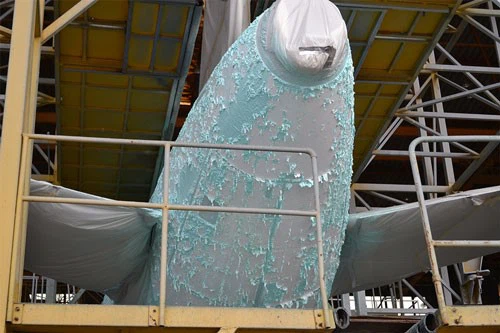
Aircraft Paint Remover: Choosing The Right Stripper For The Job
Maintaining an aircraft's exterior is more than a matter of aesthetics; it's a critical component of safety and performance. Over time, paint degrades, adds unnecessary weight, and can hide corrosion or surface damage. When it's time for a repaint, the first and most crucial step is the complete and careful removal of the old finish. This process requires a specialized, powerful solution: a professional-grade aircraft paint remover.
This guide will explore the different types of aircraft paint stripper, with a specific focus on the most effective yet regulated option: methylene chloride aircraft paint remover.
Why is Aircraft Paint Stripping So Challenging?
Aircraft coatings are not like typical paint. They are sophisticated, multi-layer systems designed to withstand extreme conditions, including:
UV Radiation: Constant exposure to sun at high altitudes.
Wide Temperature Fluctuations: From hot tarmac to freezing high-altitude cruising.
Abrasion: High-speed airflow, rain, and particulate matter.
Chemical Exposure: Jet fuel, hydraulic fluid, and de-icing fluids.
These layers often include tough epoxy primers and polyurethane topcoats. A standard aircraft paint remover must be formulated to penetrate and lift these incredibly durable coatings without damaging the sensitive aluminum, composite, or other specialized materials underneath.
Types of Aircraft Paint Strippers
Generally, aircraft stripper products fall into a few categories:
Methylene Chloride-Based Strippers: Historically, the most common and effective type. These are fast-acting, powerful chemicals that aggressively soften even the toughest coatings.
Caustic (Alkaline) Strippers: These are less harmful to certain substrates but can be aggressive towards aluminum if not carefully controlled and neutralized.
Biodegradable & "Eco-Friendly" Strippers: Newer formulations that are less toxic. They are safer for technicians but often require significantly more dwell time, scraping, and effort, increasing labor costs.
For decades, the industry standard for speed and efficacy has been the aircraft paint remover with methylene chloride.
The Gold Standard: Methylene Chloride Aircraft Paint Remover
When people refer to a heavy-duty aircraft stripper, they are often talking about a product whose primary active ingredient is methylene chloride.
What is Methylene Chloride?
It's important to clarify a point of confusion: methylene chloride and methylene dichloride are two names for the exact same chemical compound (also known by its IUPAC name, dichloromethane). This powerful solvent works by rapidly penetrating the paint film, causing it to swell, blister, and lose adhesion to the underlying substrate. This allows maintenance crews to remove large sections of paint quickly with scrapers and plastic scrapers.
Click picture for more details~

Why Methylene Chloride was so popular?
Unmatched Speed: It works dramatically faster than any alternative, reducing aircraft downtime-a critical factor in aviation.
Effectiveness: It reliably removes multiple layers of modern high-performance coatings in a single application.
Cold Operation: Unlike some methods, it doesn't require heating the aircraft skin, which prevents potential warping or damage to composite parts.
Important Safety and Regulatory Considerations
While highly effective, the use of methylene chloride is now heavily regulated due to significant health risks. Exposure to its vapors can cause:
Dizziness, nausea, and central nervous system depression.
Irritation to the skin, eyes, and respiratory tract.
In extreme cases, it can be fatal, particularly in poorly ventilated spaces like maintenance hangars.
In the United States, the EPA has banned the sale and distribution of methylene chloride in paint removal products for consumer use. However, this ban includes an exemption for its commercial use in aviation and other industries under strict workplace safety protocols.
This means that methylene chloride aircraft paint remover is still available for professional aviation maintenance operations, but its use is governed by stringent OSHA (Occupational Safety and Health Administration) regulations. These require:
Extensive Personal Protective Equipment (PPE): This includes supplied-air respirators (SARs), chemical-resistant gloves, aprons, and eye protection.
Engineering Controls: Exceptional ventilation systems, such as downdraft tables and dedicated, well-ventilated stripping bays, are mandatory.
Comprehensive Training: Technicians must be thoroughly trained on the hazards, safe handling procedures, and emergency response.
Choosing the Right Aircraft Paint Remover Today
The choice of which aircraft paint stripper to use is a complex decision based on:
Airframe Material: Compatibility with aluminum, composites, or other materials is paramount.
Type of Coating: Knowing the chemistry of the existing paint system is essential.
Shop Facilities: Does your facility have the required engineering controls and ventilation to safely use a methylene chloride-based product?
Environmental and Health Policies: Many operations are now transitioning to safer, alternative products to protect their workforce, despite the potential increase in labor time.
Selecting the right aircraft paint remover is a critical decision that impacts the quality of the paint job, the integrity of the airframe, and, most importantly, the safety of the maintenance crew. While methylene chloride aircraft paint remover remains the most potent option for quickly stripping tough coatings, its use is now rightfully confined to professional settings that can meet strict safety standards. The modern aviation industry must weigh the unparalleled effectiveness of methylene chloride against the significant responsibility of handling it safely, often making the switch to advanced, less hazardous alternatives a necessary step forward for many operations. Always consult the product's Safety Data Sheet (SDS) and ensure full compliance with all local and federal regulations before beginning any paint stripping project.
For businesses Methylene Chloride Stripper , our company provides competitive pricing, reliable supply, and technical support. Contact us today for more details!
Our address
Room 1102, Unit C, Xinjing Center, No.25 Jiahe Road, Siming District, Xiamen, Fujan, China
Phone Number
+86-592-5803997
susan@xmjuda.com